
"What If I Lose All My Money?" — The Fear That Deserves Respect
1 August 2026
"What If I Lose All My Money?" — The Fear That Deserves Respect
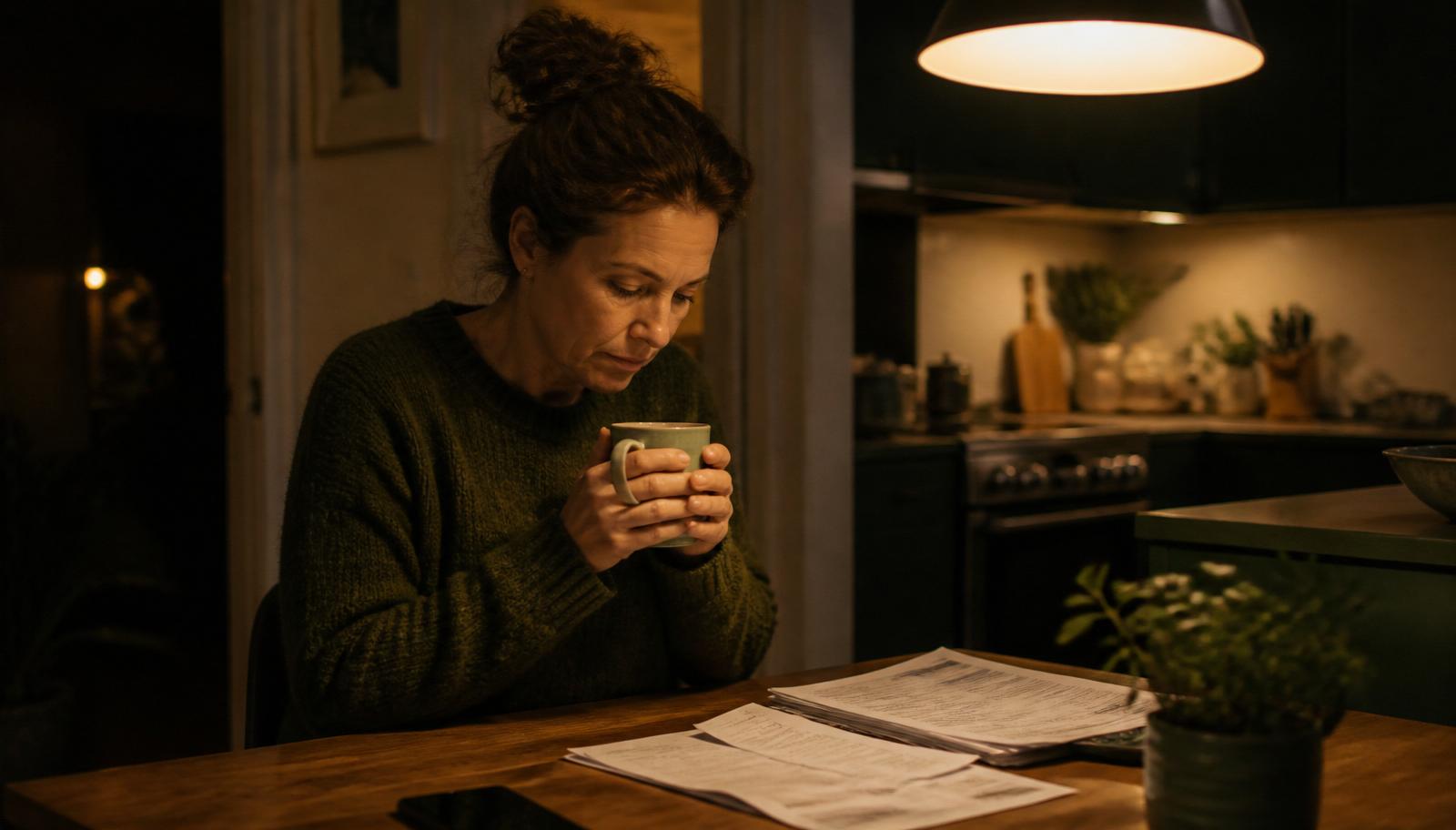
Unlike some of the other fears I hear from aspiring developers, this one I never try to talk anyone out of. It's rational. Property development involves genuine financial risk. Projects do go over budget. Markets do shift. Builders do occasionally go into liquidation. And yes — some developers do lose money.
So I'm not going to tell you this fear is irrational, because it isn't. What I am going to tell you, after 30 years of watching both the wins and the losses up close, is where the losses actually come from — and it's rarely where people expect.
Most losses aren't bad luck. They're bad preparation.
If you asked most people why developers lose money, they'd guess something like: the market crashed, or the site turned out to have a hidden problem, or the numbers just didn't work out. Sometimes that's true. But in the majority of cases I've seen over three decades, financial losses trace back to something far more preventable: inadequate feasibility, unrealistic assumptions, and no risk management plan.
In other words — the people who lose money are usually the ones who skipped the homework, not the ones who got unlucky.
That's actually good news, because homework is something you have complete control over.
The single most protective thing you can do
Every professional developer I know uses the same core toolkit to manage risk: a thorough feasibility study, conservative financial assumptions, a contingency reserve, and fixed-price contracts. None of this is complicated or exclusive knowledge — it's simply discipline, applied consistently.
A feasibility study is your financial filter. It answers one question honestly, before you've spent a dollar: does this project actually make sense? If the numbers don't work on paper, they will not magically work once you're standing on site with a shovel. Running the numbers first — properly, conservatively — is the single most powerful thing you can do to protect yourself.
The goal isn't to eliminate risk. Property development, like most worthwhile things, can't be made risk-free. The goal is to understand your risk clearly before you commit, and to have a real plan for what happens when things don't go exactly to plan — because they often won't. That's not pessimism. That's 30 years of reality.
A basic feasibility sanity check
Before you get serious about any site, run these numbers — honestly, not optimistically:
- Estimated end value: what will it realistically sell or rent for?
- Total project cost: land + build + consultants + finance + holding costs
- Is there at least a 15–20% gross margin? If not, walk away.
- Have you added a 15% contingency to your build cost?
- Do you have finance approval in principle before committing to anything?
- What's your exit strategy if the market softens before you sell?
- What's your Plan B if the builder is delayed by three months?
If you can't answer most of these with confidence, that's not a reason to proceed anyway and hope for the best. It's a signal to slow down and do more homework first.
A story worth knowing
One developer I worked with was so afraid of losing money that she nearly didn't start at all. What she did instead of freezing was run her feasibility study three separate times: a conservative scenario, a realistic scenario, and a genuine worst-case scenario.
In the worst case, she broke even. In the realistic scenario, she stood to make roughly $68,000 in profit. Knowing exactly what her downside looked like — and confirming she could live with it — gave her the confidence to actually proceed.
The project settled fourteen months later. She made $74,000. It wasn't the numbers themselves that gave her the courage to go ahead. It was understanding them, in full, before she committed.
What "protecting yourself" actually looks like
If you do the following, consistently, you significantly reduce the chance of a catastrophic loss:
1. Run a proper feasibility study before you make an offer on anything 2. Use conservative, not optimistic, assumptions throughout 3. Build in a real contingency reserve — and don't touch it unless something has genuinely gone wrong 4. Use fixed-price building contracts wherever possible 5. Confirm finance approval in principle before you commit 6. Know your exit strategy before you need one, not after
None of this guarantees a perfect outcome — nothing in property development does. But it moves you from "hoping it works out" to "knowing what you're actually exposed to," which is a fundamentally different, and far safer, place to make decisions from.
The fear itself is doing you a favour
I'd actually argue this fear, taken seriously rather than avoided, is one of your best assets. The developers who get into real trouble are rarely the cautious ones — they're the ones who skip the feasibility study because they're excited about a site, or who assume "it'll probably be fine." Respecting this fear enough to prepare properly is exactly what keeps most people safe.
The fear isn't telling you not to do this. It's telling you to do your homework first.
Where to start
If protecting your money is the thing on your mind most, the free Property Prequel Quiz gives you an honest, personalised read on your financial readiness in about three minutes. And the free 5 Fears ebook goes deeper into the exact tools professional developers use to manage financial risk from day one.
Take the quiz: propertyprequelquiz.com
---