
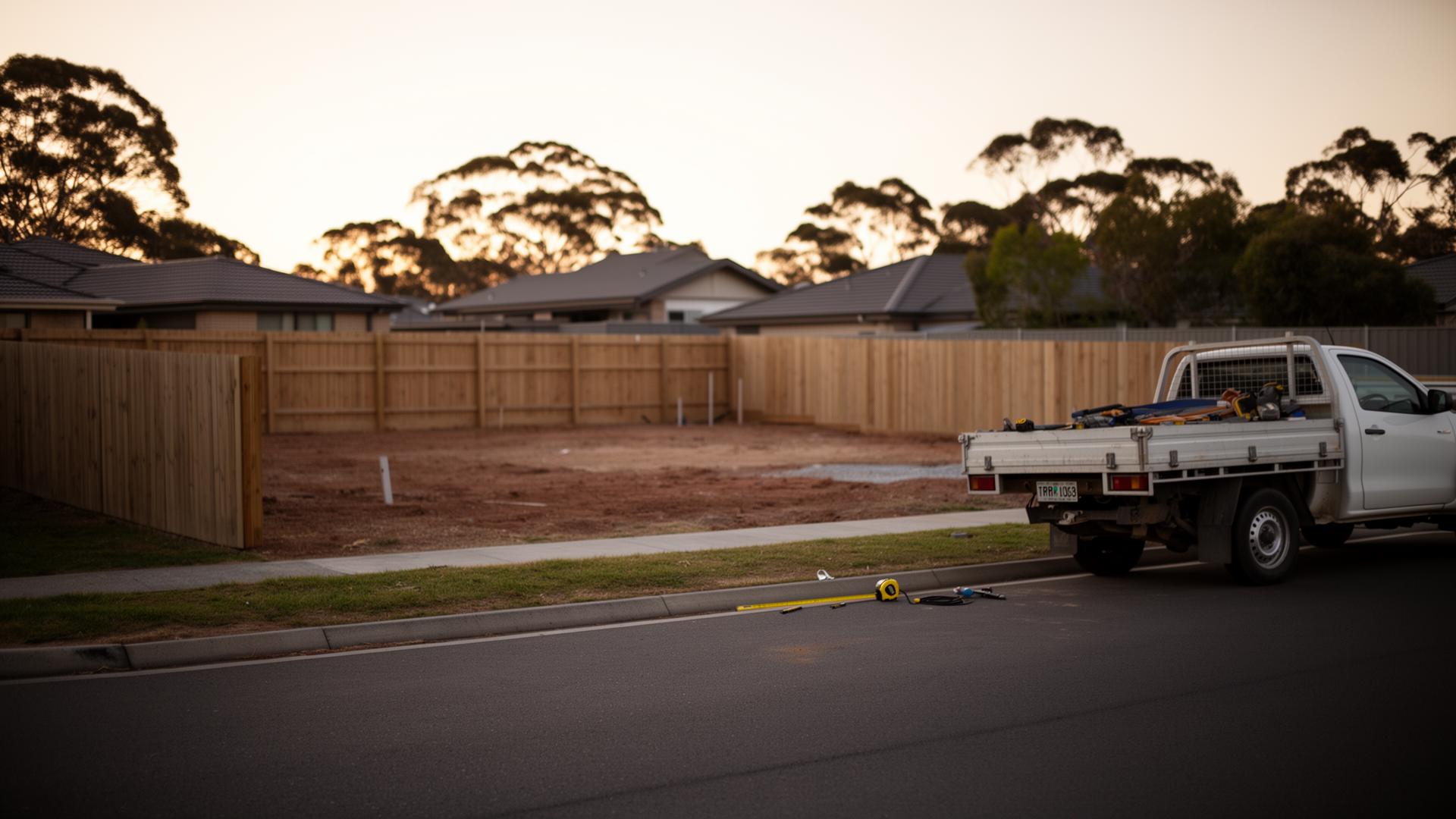
Property development in Australia is one of the few wealth vehicles that genuinely changes lives, and one of the few that genuinely ends them. The difference is rarely knowledge. Most projects that go badly are run by people who knew enough technically. The difference is whether the person standing behind the project was actually the right person to be standing there. That is the question this piece is for.
The wrong first question
Almost every beginner asks the same opening question: how do I find a good site? It feels like the practical place to start. It is not. A good site in the hands of the wrong developer becomes a stalled project, a forced sale, or a slow financial bleed. A modest site in the hands of a clear-eyed developer becomes a finished project and a foundation for the next one.
Sites are not the constraint. There are thousands of developable sites in Australia at any time. The constraint is the person, the capital, the appetite for risk, and the household behind them. Start there and the site question answers itself later. Start with the site and you can spend years searching for a project you were never set up to run.
The real starting point
Property development is not an investment in the passive sense. It is an active, capital-at-risk business activity that demands time, decisions, and the willingness to keep going when something goes wrong - because something always does. So the first honest question is not technical. It is what type of developer am I, and is this the right vehicle for the life I actually have?
That is not a soft question. It changes everything that follows: the kind of site you should look at, the structure you should use, the timeframe you can absorb, the team you need around you, and whether you should be doing this at all right now or in two years' time. None of those answers are available from the listing portals. They come from looking honestly at yourself first.
What beginners almost always skip
In thirty years of working with people stepping into their first project, the pattern is consistent. Beginners over-invest in the technical learning and under-invest in three things that determine whether the project will actually work:
- Their actual financial position - not the optimistic version, the one you would be comfortable showing a bank and a partner.
- Their actual risk tolerance - measured by how they sleep when a project runs six months long, not by how they feel reading a case study.
- Their actual lifestyle bandwidth - the decisions, calls, site visits, and stress a real project takes from a real week.
These three are the pillars of readiness. They are also, not coincidentally, what the Readiness Score Tool measures.
Five things to actually know first
There are recognisable profiles - the cautious capital-protector, the opportunistic builder, the slow scaler, the legacy planner, the accidental developer. The path that suits each is different. Know yours before you choose a strategy.
Not what's possible in theory. What's possible from your equity, income, household, and timeline today. That is a much shorter list than the YouTube version - which is a good thing.
Beyond market risk: council refusals, builder collapse, planning amendments, finance changes, family events. Risk in development is real-world, not just spreadsheet.
A clear no - or a 'not yet' - is a successful outcome of the decision stage. It saves the capital, the relationships, and the years. It is not failure; it is information.
Not site shopping. The first ninety days are about a structured read on yourself, the rules in your council area, and the type of project that matches both.
What not to do in the first month
- Do not put a deposit on a site before you have a clear read on your own readiness.
- Do not pay for a "mentor" who promises certainty in an activity that has none.
- Do not assume the family is on board until you have actually had the conversation with real numbers.
- Do not register a company, a trust, or an ABN until you have a project shape worth structuring around.
None of these are dramatic. They are just the most common ways beginners commit before they have decided.
The honest first step
Before you study a single feasibility, the most useful thing a beginner in Australia can do is work out what type of developer they actually are. That is what the Property Prequel Quiz does. It takes about five minutes, matches you to one of the recognisable profiles, and gives you the path that tends to suit it. It is not a marketing tool. It is the genuine first filter.
The Property Prequel Quiz tells you which developer profile fits you and what to do with that information. Free. Five minutes.
When you are ready to go deeper, the next step after the quiz is The Property Prequel Roadmap - a structured course that leaves you with a clear yes, no, or the one thing still to resolve.
Newer still? Start with what property development actually is, then the steps in order and how much capital you need.